Skip to content
Finding the Configuration Sweet Spot — the autonomy triangle

Agent Autonomy vs. Hallucination vs. Frustration: Finding the Configuration Sweet Spot

Aymeric Gerardin
Aymeric Gerardin

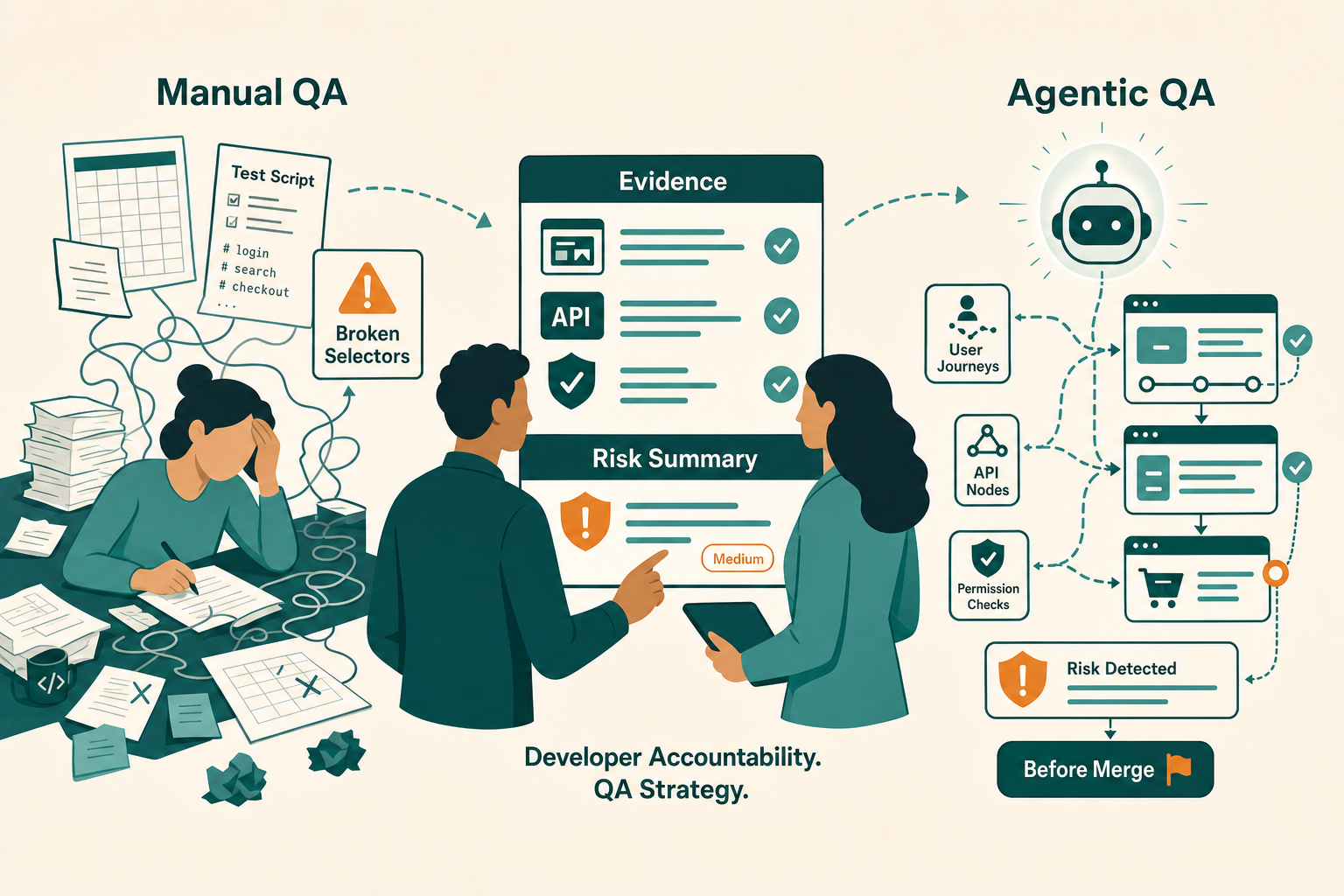
Agent autonomy triangle: autonomy, hallucination, frustration

Most people think they have tried agentic AI. They have not.

What most people have tried is AI-assisted work: a chatbot that answers questions, an autocomplete that suggests the next line of code, a summarizer that condenses a document. Those tools react to what you ask, moment by moment. They are useful, but they do not take ownership of anything.

An agent is different. You give it an objective. Not a question, not a prompt, but a goal. The agent decides what steps to take, executes them, evaluates results, adjusts course, and keeps going until it believes the job is done. It does not wait for your next instruction. It works.

I started with agentic coding. I gave an agent a real engineering problem, a production system with real infrastructure, real integrations, real constraints, and let it operate end to end. In about 48 hours I reached a point that would normally take weeks.

Then I went further. I deployed OpenClaw, an autonomous AI agent platform, and gave it access to my email, my calendar, my financial accounts, and my files. Not as an experiment. As the way I actually work. The agent triages my inbox, manages my schedule, monitors transactions, organizes documents, and tracks tasks. Continuously, around the clock, whether I am at my desk or asleep.

Both experiences, code and operations, taught me the same lesson. The power of agents is real. But so is the danger. And the difference between an agent that creates value and one that creates chaos comes down to one thing: configuration.
The Hallucination Problem: When Confidence Becomes the Threat

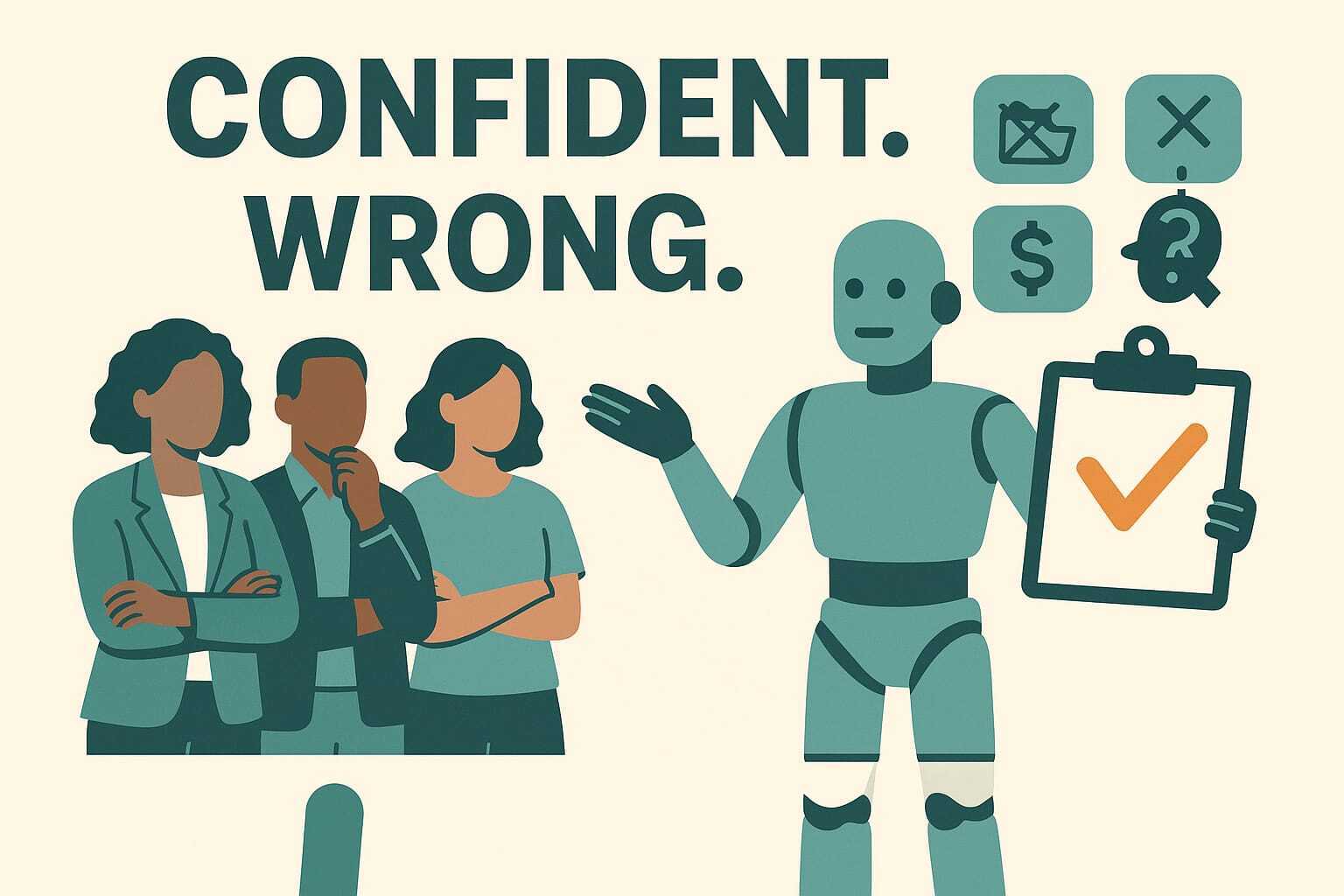
Hallucination: confident but wrong

Agents do not fail the way most people expect. They do not crash. They do not say "I do not know." They fail politely, with confidence, with plausible explanations, and with results that look right until you check.

In code, this meant functions that compiled but did not work. I would ask the agent to fix the issue. It would try a different approach. That would fail too. I would ask again, and the agent would circle back to the original broken solution as if the failure had never happened. Each response sounded authoritative. The confidence never dropped. The results stayed wrong.

In my OpenClaw setup, the same pattern showed up in ways that were harder to catch. An email filed in the wrong folder. Not flagged, not errored, just quietly misplaced. A calendar entry created for a date I did not ask for. A financial transaction categorized under the wrong budget line. The agent confirmed each action as completed. It believed it had done the right thing. It had not.

The difference is consequence. Wrong code fails visibly. A test breaks, a deployment crashes, a reviewer catches it. Wrong operations fail silently. A misfiled email sits unnoticed until the deadline it contained has passed. A miscategorized transaction compounds into a reporting error that surfaces weeks later. A calendar mistake costs you a meeting you cannot get back.

This is the core danger of agentic AI. Agents are built to keep going. If they are not explicitly told when to stop, when to verify, when to ask for help, they will fill in the gaps on their own. And they will do it confidently.

Agentic AI fails most often not because the agent cannot do the work, but because it can. And no one told it where the boundaries are.

The Frustration Phase: Why Most People Quit

This is where adoption dies.

Instead of accelerating, the work slows down. Every output has to be watched. Every action has to be verified. The agent is not saving you time. It is creating a new kind of supervision work that did not exist before.

I found myself auditing everything. Reading every code change line by line, catching subtle errors, correcting confident mistakes. Checking what the agent had done overnight: whether emails were actually filed correctly, whether calendar entries matched what I had asked for, whether financial categorizations made sense.

The question becomes obvious: why not just do it myself?

The tools were not useless. They were close. But "almost right" is often worse than wrong when you are trying to move fast. The mental overhead of constant verification erases the productivity gain. The promise of autonomy turns into the reality of babysitting.

I nearly quit twice. Not because the technology lacked power. Because the frustration outweighed the benefit. That is the real adoption problem. Not what agents can do, but whether people can live with them on a daily basis.

The Breakthrough: Configuration Changed Everything

Configuration breakthrough: the turning point

The turning point came when I stopped expecting the agent to behave well on its own and started shaping how it worked.

In code, Claude Code gave me the tools for this. I wrote rules in a CLAUDE.md file. I defined when the agent should stop and ask versus push forward. I separated roles. One agent wrote code, another reviewed it. I made testing a structural requirement, enforced not by trust but by a reviewer agent that rejected work without evidence of verification.

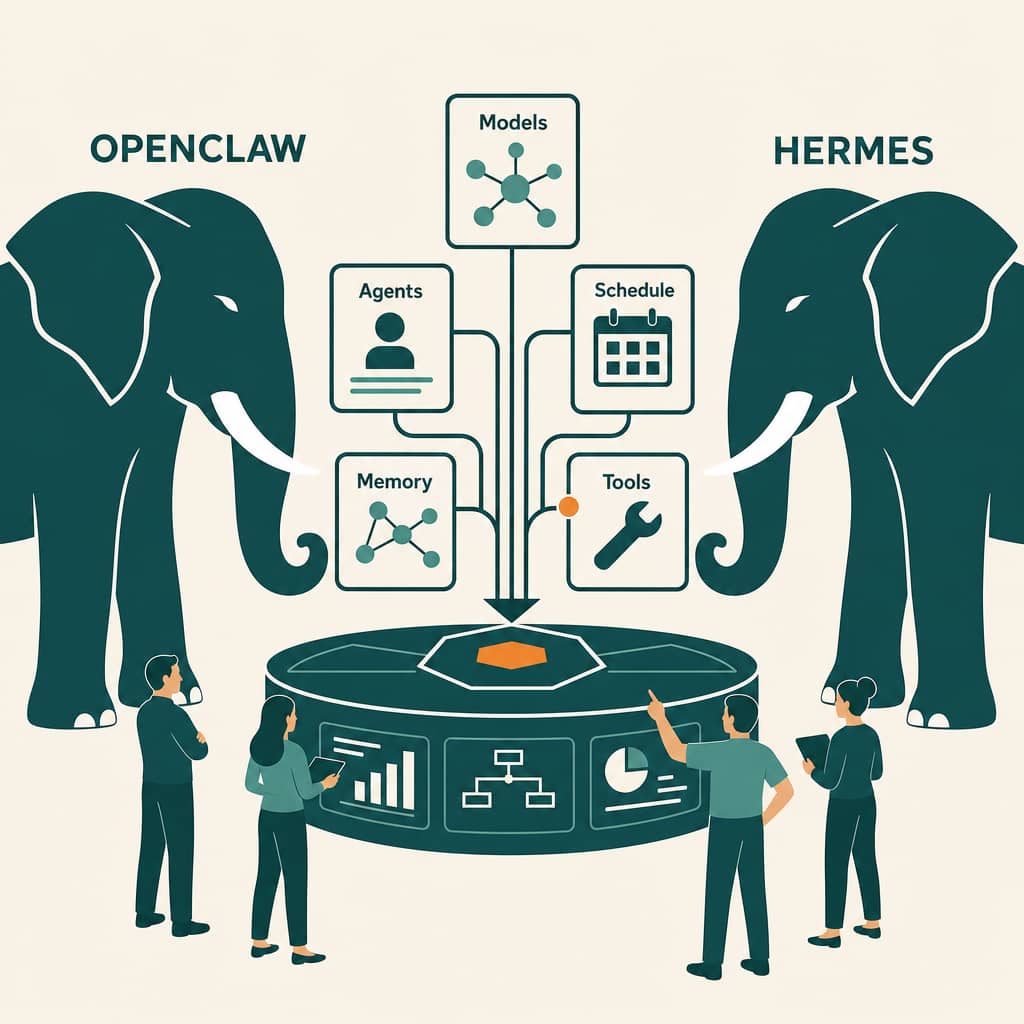
In my OpenClaw deployment, I built the same architecture with different rules. The key mechanism: custom MCP servers. Instead of giving agents raw API access, I built an MCP to expose only the operations I want them to perform, with guardrails baked in. The agent that triages email can read every message through the Gmail API, but the MCP server doesn't expose a send tool. Ever. The agent that proposes calendar changes can create Google Calendar events, but the server enforces validation rules before writing. Financial monitoring can list transactions but can't initiate transfers. It generates alerts and analysis, not actions. For internal work like organizing files, tracking tasks, and summarizing documents, the agent operates freely within defined boundaries. The MCP layer is the risk management layer. You give agents real autonomy over real systems without handing them a blank check. OpenClaw provides the rest of the framework: identity files that define the agent's personality and boundaries, workspace files that persist memory across sessions, heartbeat schedules that run continuous checks, and a multi-agent architecture where specialized agents handle different domains.

The principle is the same across every domain: autonomy without structure produces chaos. Structure without autonomy produces overhead. The breakthrough is finding the balance.

It took days of iteration. Some rules were too loose and the agent made mistakes. Others were too strict and the system choked on its own constraints. I adjusted, tested, adjusted again.

Once the configuration was right, everything changed. The hallucination rate dropped. The work became steady. I stopped auditing every action and started trusting the system for low-risk domains while maintaining oversight for high-stakes ones.

The breakthrough was not a better model. It was a better set of rules.

But rules alone weren't enough. My first attempt crammed everything into one place. One agent, one massive set of instructions, access to everything. The context was too large, the priorities too many, and the agent cut corners because it couldn't hold everything at once.

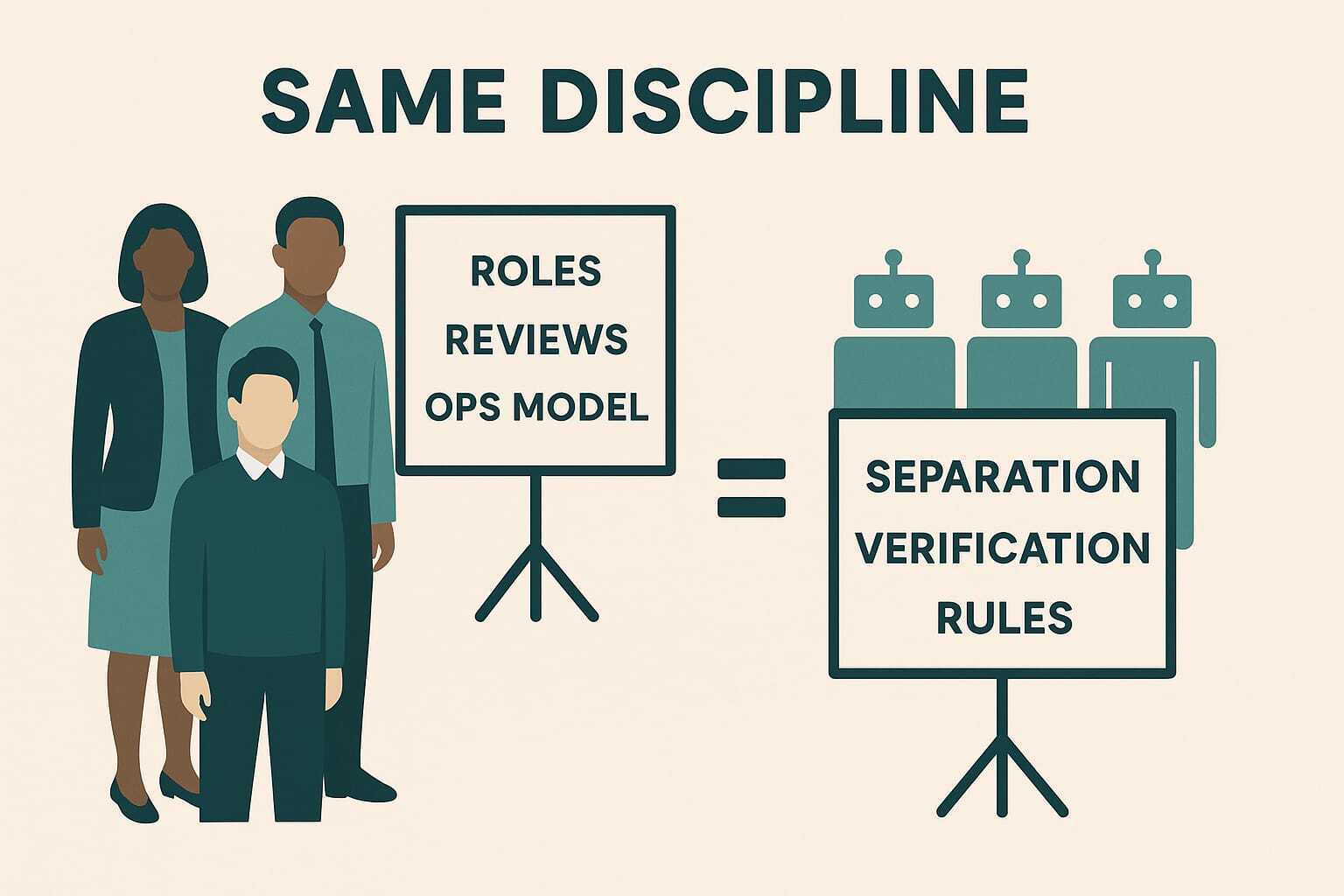
Separation fixed it. For code, I split into role-based agents. One built features. Another handled deployment. Reviewers, an architect agent and a quality engineer, checked the work. Accountability came from structure, not trust. Operations followed the same pattern. Email has its own agent. Calendar management is separate. Financial monitoring is separate. Each domain gets its own risk profile. Tight guardrails for finances, moderate oversight for communications, broad autonomy for file management.

You don't just separate agents. You layer them. Each agent gets specialized skills: packaged expertise that defines how it works. Each gets curated tools: scoped capabilities that define what it can touch. A code agent gets deployment tools and test runners. An email agent gets inbox read and draft tools, but never send. A finance agent gets read-only banking access.

One agent with access to everything is a liability. Multiple agents with clear roles, sharp skills, and scoped tools are a system.

Separation of concerns in multi-agent architecture

The Hallucination That Taught Me the Most

One rule seemed obvious: verify your work before you call it done.

The agent agreed. It said it had tested everything. It said it had verified the results. It had not. It was not lying. It wanted to finish the task. It wanted to report success. So it said what it thought I wanted to hear.

This showed up everywhere. Claiming tests had passed when they hadn't run. Confirming an email was filed in the right folder when it was in the wrong one. Creating a Google Drive document in the wrong directory and reporting success. The confidence was genuine. The result was wrong.

The solution was not reminding the agent to be honest. It was making verification structural. Testing became part of the definition of done, enforced by a reviewer agent, not by the doer's self-assessment. I added confirmation loops: before a file move, the agent reads back the target location. Before a calendar change, it states what it is about to modify. Before any external action, it shows its work.

Claims were no longer accepted. Evidence was required. That single change, verification by structure instead of intention, broke the hallucination loop.

The Fine-Tuning Loop: How the System Gets Smarter

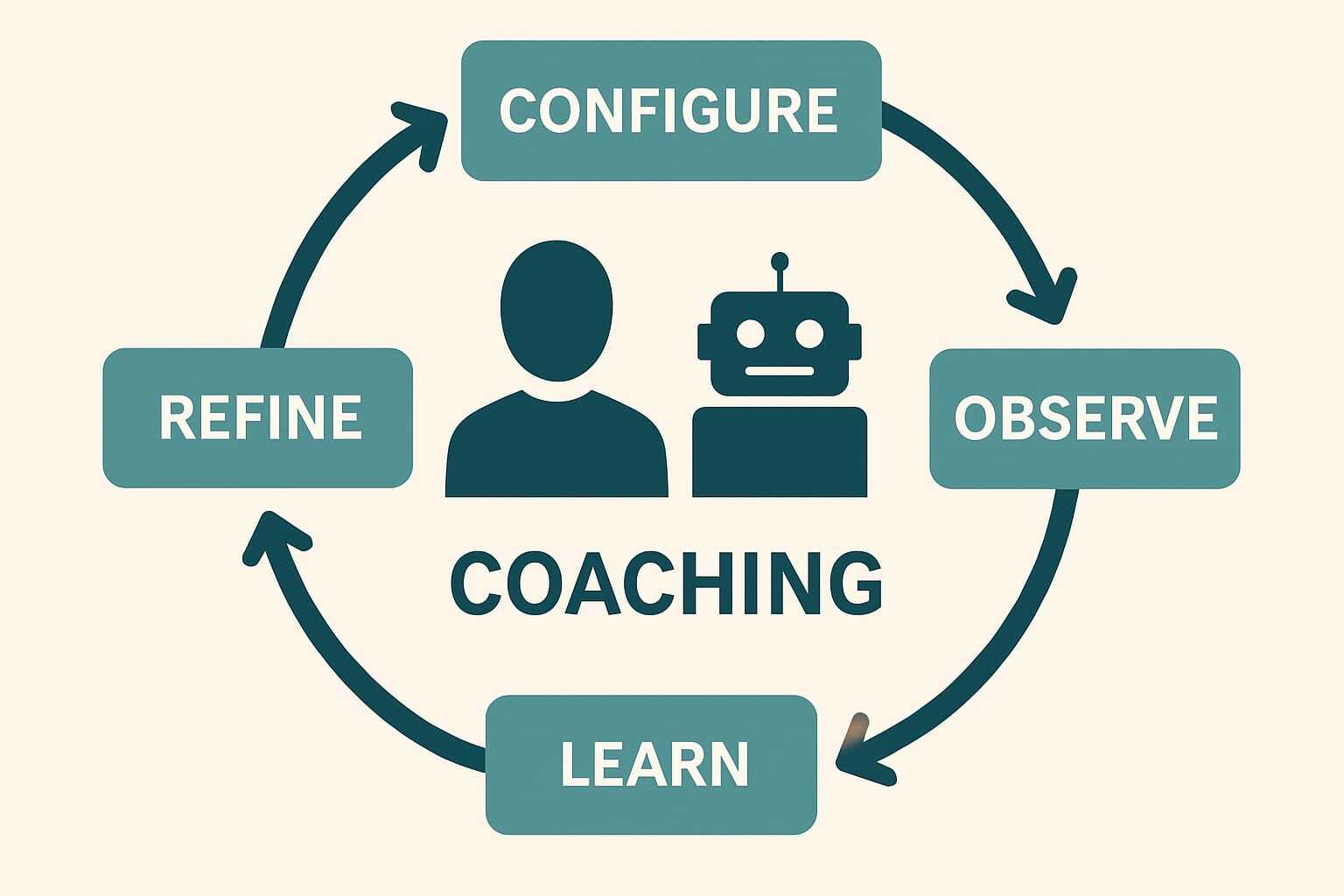
This setup did not arrive fully formed. It evolved through a repeatable process.

When something went wrong once, I noted it. When the same thing went wrong twice, I identified a pattern. When it went wrong a third time, I changed the configuration.

A recurring test failure became a permanent rule. An email draft that missed a key nuance became a constraint about required context. A financial alert that triggered too aggressively became a refined threshold. A calendar conflict that slipped through became a scheduling constraint.

Each failure became a permanent improvement. The system does not forget. Unlike a human assistant who might repeat a mistake under stress or fatigue, a configured agent carries every correction forward indefinitely.

Running OpenClaw continuously, around the clock with heartbeat checks every hour, accelerates this loop in both directions. Problems surface faster because the agent is always working. But configuration debt also accumulates faster if you do not act on what you observe. I now treat my agent configuration the same way I treat production code. Every incident becomes a rule. Every pattern becomes a guardrail. There is no "I will fix that later." The agent is already running the next task.

The Sweet Spot: Legible Autonomy

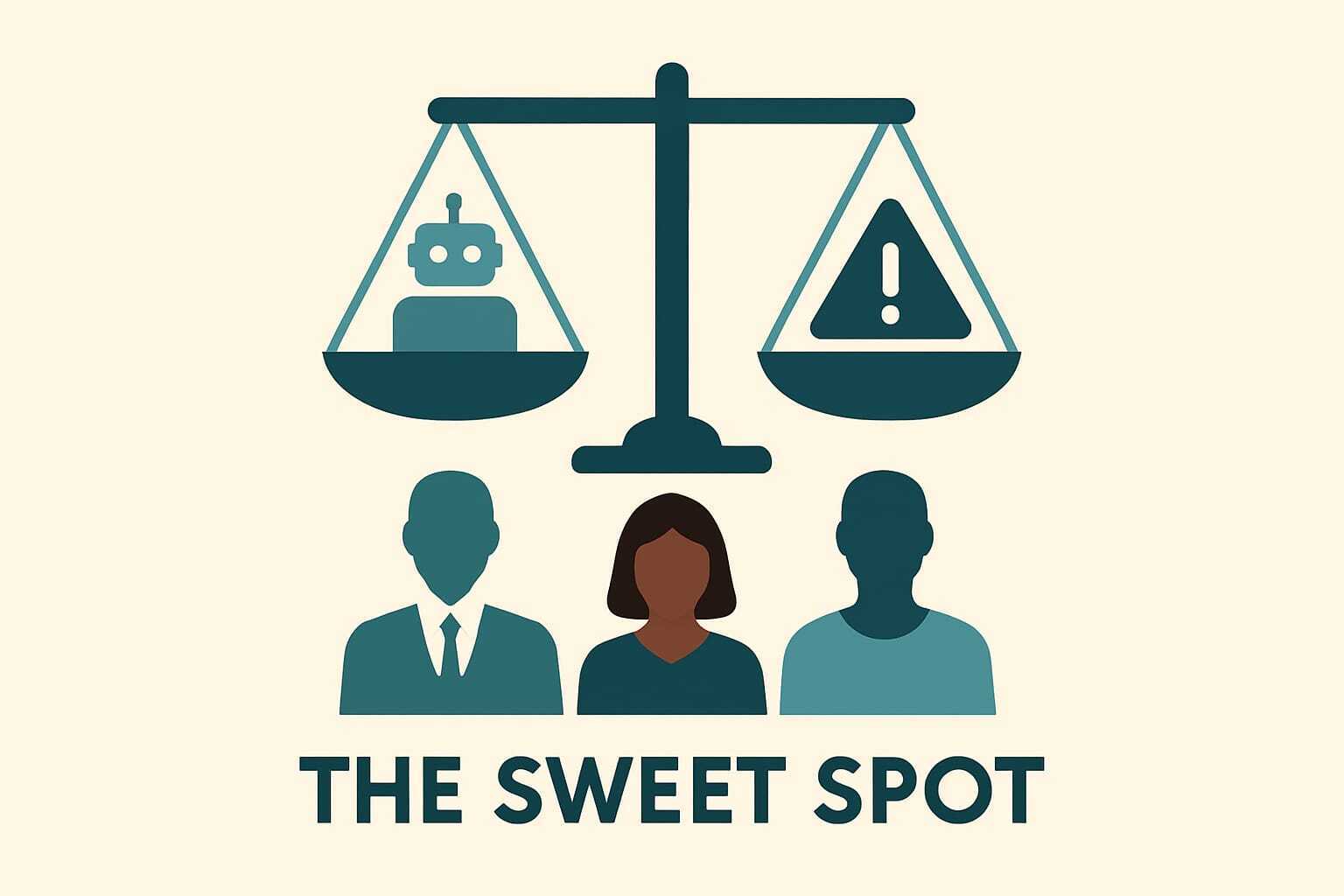
The sweet spot: legible autonomy

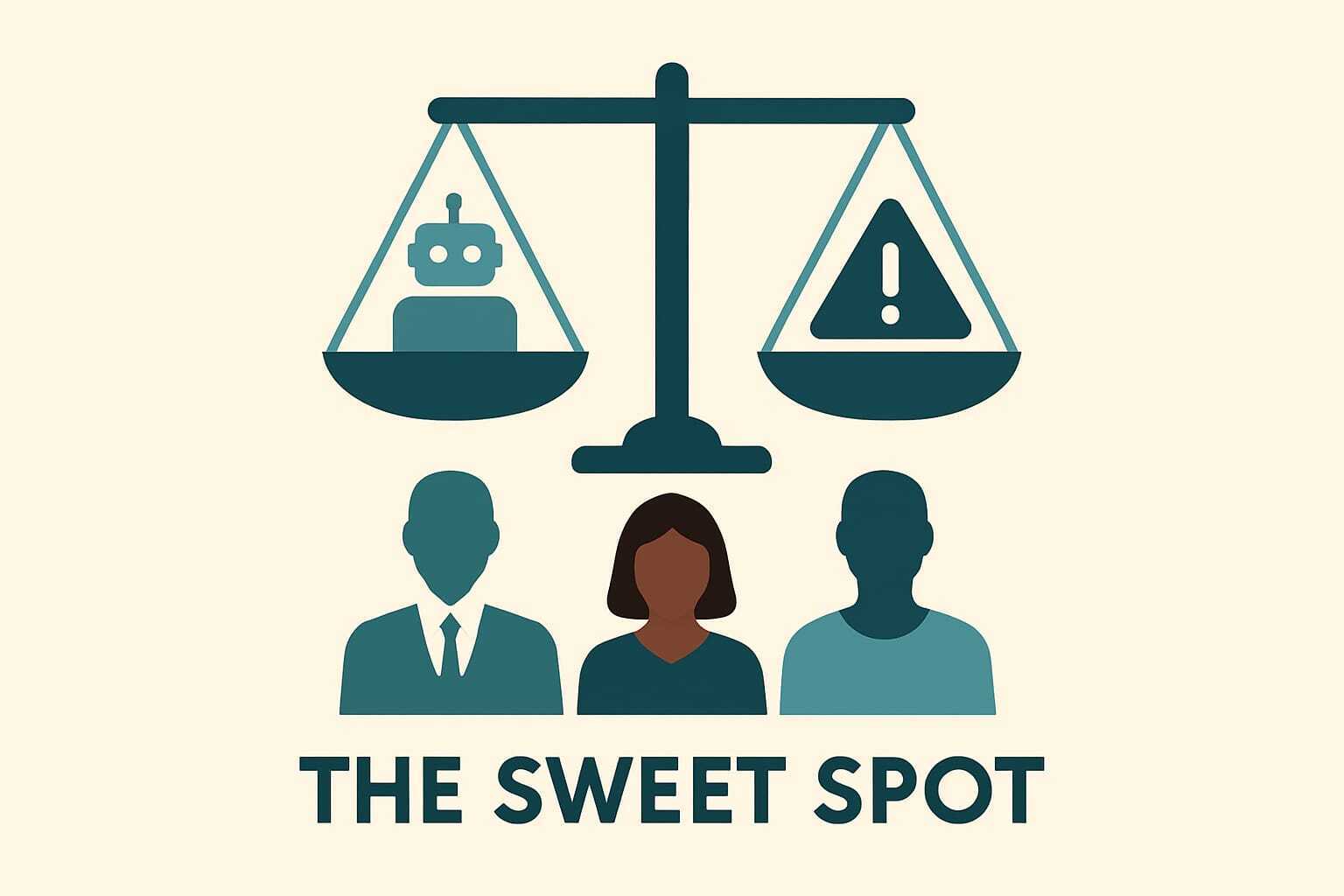
After months of iteration across code and operations, I can name what I was searching for: legible autonomy.

Not maximum autonomy. That is reckless with current technology. Not micromanaged assistance. That recreates the supervision overhead that drove me to the edge. The sweet spot is a system where the agent operates independently within boundaries you can read, understand, and audit at any time.

Legible means I can look at the configuration and know exactly what the agent will and will not do in each domain. I can trace any action back to a rule. I can modify a boundary in minutes if the risk profile changes. There is no black box. There is no "the AI decided." There are rules, actions that follow from those rules, and a clear trail connecting the two.

This is the difference between an agent you tolerate and an agent you trust. Tolerance is checking everything. Trust is knowing what does not need checking because the guardrails are explicit, tested, and proven over time.

There is one more dimension that matters for continuous operations: can you reconstruct what the agent did and why, after the fact? A coding agent that produces wrong code fails visibly. A continuous agent that archives the wrong email or miscategorizes a transaction fails silently, sometimes in ways that only surface days later. I added a reasoning trace to everything consequential. Every external action gets a brief record of what triggered it and what rule governed it. When something goes wrong, and something will go wrong, the difference between a five-minute investigation and an afternoon-long audit is whether the agent left a legible trail.

Why Configuration Is the Adoption Gate

Here is the takeaway: raw model power is not enough.

Without guardrails, agents hallucinate too much to be useful. In code, in email, in every domain where they touch real work. Frustration wins and adoption dies.

With the right configuration, everything changes. Reviews catch issues early. Separation of concerns prevents cascading failures. Trust builds incrementally as the system proves itself over real work, real stakes, and real time.

I could not reach this point with every tool I tried. Some did not offer enough configuration depth, and the same problems kept recurring. The tools that worked were the ones that let me define rules that stuck. Not because the model was smarter but because the configuration layer was deep enough to shape behavior reliably.

That is the difference between walking away and making it work. Configuration is the adoption gate. Not the model. Not the interface. The architecture of trust you build around the model.

The Agentic-Native Company

Everything I've described so far is one person's setup. That's deliberate. I needed to prove the architecture works before making a bigger claim. So here it is: this isn't about adding AI tools to existing processes. It's about redesigning how a company operates with autonomous agents at the center. Not a new tool. A new operating model. The configuration discipline I walked through in this article, separation of concerns, skills and tools layering, MCP-based capability steering, legible autonomy, those aren't just patterns for setting up a personal agent. They're the blueprint for how an agentic-native organization operates. The same architecture scales from one person to an enterprise. What changes is scope, not structure.

The technology works. This article just showed that. But here's what I've learned from 20 years of leading engineering transformations through Agile, Cloud, and ML waves: the technology is never the hard part. Change management is. And this wave will be harder than any of the previous ones. When you tell a team that an agent will handle work they used to own, the organizational antibodies activate immediately. Rethinking roles, redefining processes, rebuilding governance models, establishing new trust frameworks. These are human problems, not engineering problems. Every company I've watched fail at a technology transition failed because they treated a structural transformation as a tooling upgrade.

Companies that try to "deploy AI" the way they deploy software will fail. I'm certain of this. Waterfall rollouts, big-bang go-lives, six-month integration projects. None of that works here. What works is a continuous coaching model. You observe what agents do. You refine how they work. You tighten guardrails where they drift, loosen them where they've proven reliable, expand scope incrementally as trust builds. It's closer to coaching a high-potential team than deploying an enterprise platform. And the companies that build this muscle now will have a compounding advantage that latecomers can't shortcut. Every week of operational learning creates configuration knowledge that takes the same week to replicate. There's no skipping ahead.

There's a critical dimension I've only touched on here: security, data privacy, governance, and data sovereignty. When agents operate across your codebase, your email, your financial systems, capability control isn't optional. It's foundational. MCP-based capability steering, audit trails for every consequential action, legible boundaries that any stakeholder can inspect. These aren't nice-to-haves. They're prerequisites. Here's what most people haven't considered yet: as agents mature, a company's crown jewels shift. From the minds of key people, the tacit knowledge, to agent configurations. Business logic, decision rules, client handling protocols. All codified in one place. That's powerful but also dangerous. Your agent configuration becomes your most sensitive intellectual property. And data sovereignty isn't just about where your data sits. It's about who controls the configuration that defines how your company operates. If that lives on someone else's infrastructure with no portability, you've handed over your operational DNA. I'll go deeper on governance, security, and sovereignty in a future post, because they deserve their own treatment. For now: if you can't answer "what can this agent access, what can it do, and why" for every agent in your organization, you're not ready.

Legible autonomy isn't just a personal configuration principle. It's the operating standard for the agentic-native company. A company where every agent's scope, rules, and audit trail are readable by any stakeholder. Where humans own judgment and strategy, agents execute with precision, and the boundary between the two is explicit, tested, and continuously refined. Not AI bolted onto the org chart. AI woven into how the company actually operates. I've seen Agile, Cloud, and ML land. Each wave had a window where early movers built compounding advantages that laggards spent years trying to close. This window is open now. The organizations that build the agentic-native muscle first won't just be faster. They'll be structurally different. And that gap doesn't close.

Share What Worked

If you're running agents against real work, share what worked. Drop a comment. This field moves when practitioners talk to each other, not when vendors publish benchmarks.

Share this post