
An Engineering Executive's View on Agentic Coding: Why This Time Feels Different
I've been in data and software engineering for more than 20 years. I didn't start in AI or startups. I started as a DBA, back when data was essential to systems but not yet its own conference circuit.
Over the years I moved into engineering leadership. I ran large software and data platforms. I was early on Hadoop when most enterprises were still debating whether it was real. Today I lead technology and engineering at a world-class company.
I've seen every major wave come through: Big Data, Cloud, Agile, Machine Learning, LLMs. Each came with enormous promises. Each reinforced the same lesson: most transformations fail in the gap between intent and execution.
I learned to be skeptical. If something doesn't run in production at scale and show real P&L impact, it's noise. That filter served me well, until now.
The Moment My Skepticism Broke
I didn't approach this from the sidelines. Reading posts and watching demos wouldn't tell me what I needed to know. I had seen too many technology waves look obvious from a distance and become much messier the moment they hit real operating conditions. So I built it.
Not a toy. Not a demo. A real production system. Same stack I've worked on for 15 years: React, Redux, multi-tenant architecture, AWS Serverless with full infrastructure-as-code, CI/CD, and disaster recovery designed in from day one. The system connected to real tools: Google Drive, email, communication platforms. I went from blank repository to something I could ship as an MVP.
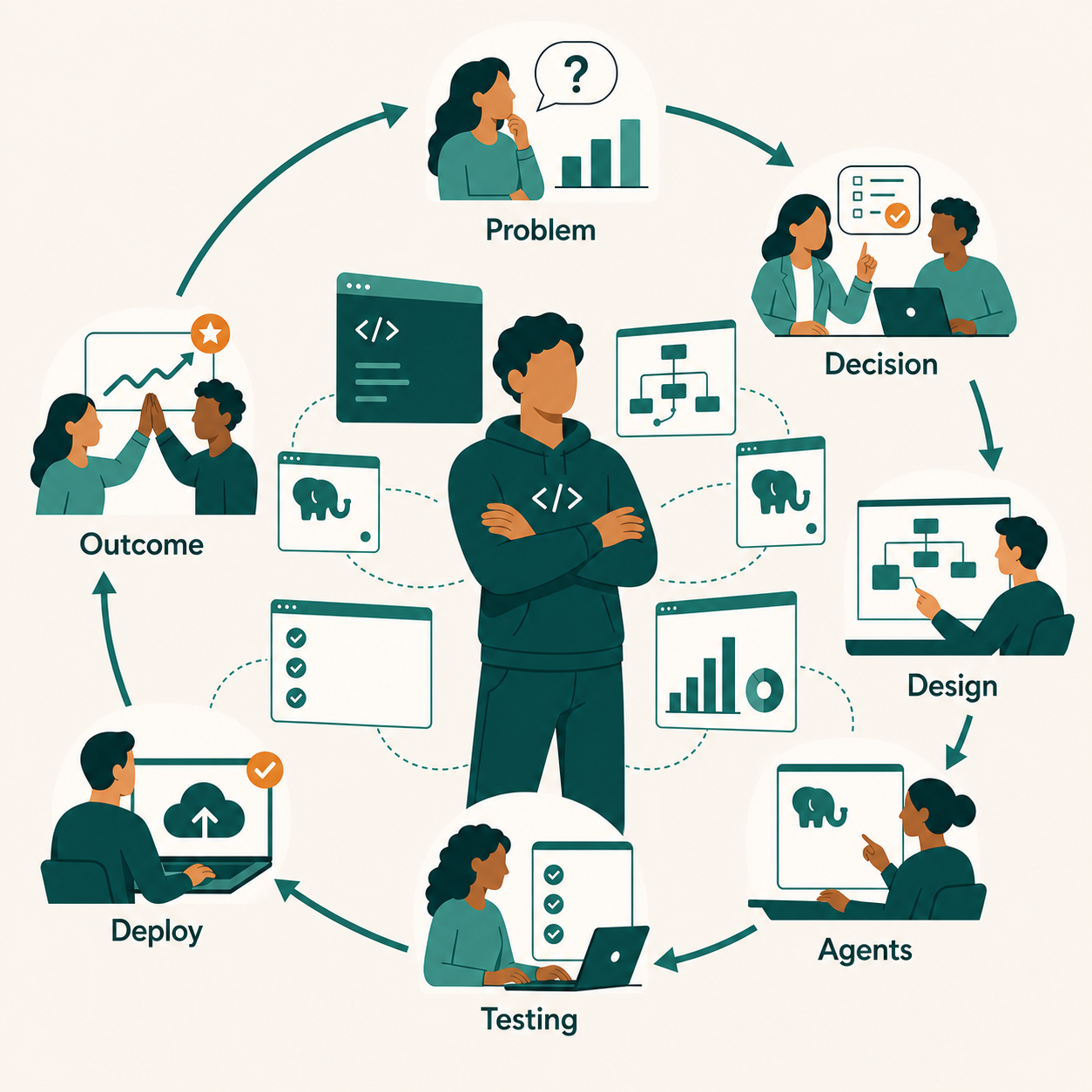
I was working with a fully agent-driven setup. I gave the system a real engineering problem, set concrete expectations, and let it operate end-to-end. This was not a proof of concept. It was work I would normally have done myself, and work I would normally expect to take serious time. In about 48 hours I reached a point that would normally take weeks.
That was when my skepticism broke. I wasn't excited because the demo looked good. I was excited because the system had crossed the line from interesting to operational.
What I Didn't Know Then: The Agent Layer
When I published the first version of this article in February 2026, I focused almost entirely on agentic coding, Claude Code, and the shift in how software gets built. That was the right place to start. But I was only seeing half the picture.
The more significant shift is what happens when you go beyond coding and deploy autonomous agents across the rest of your operations.
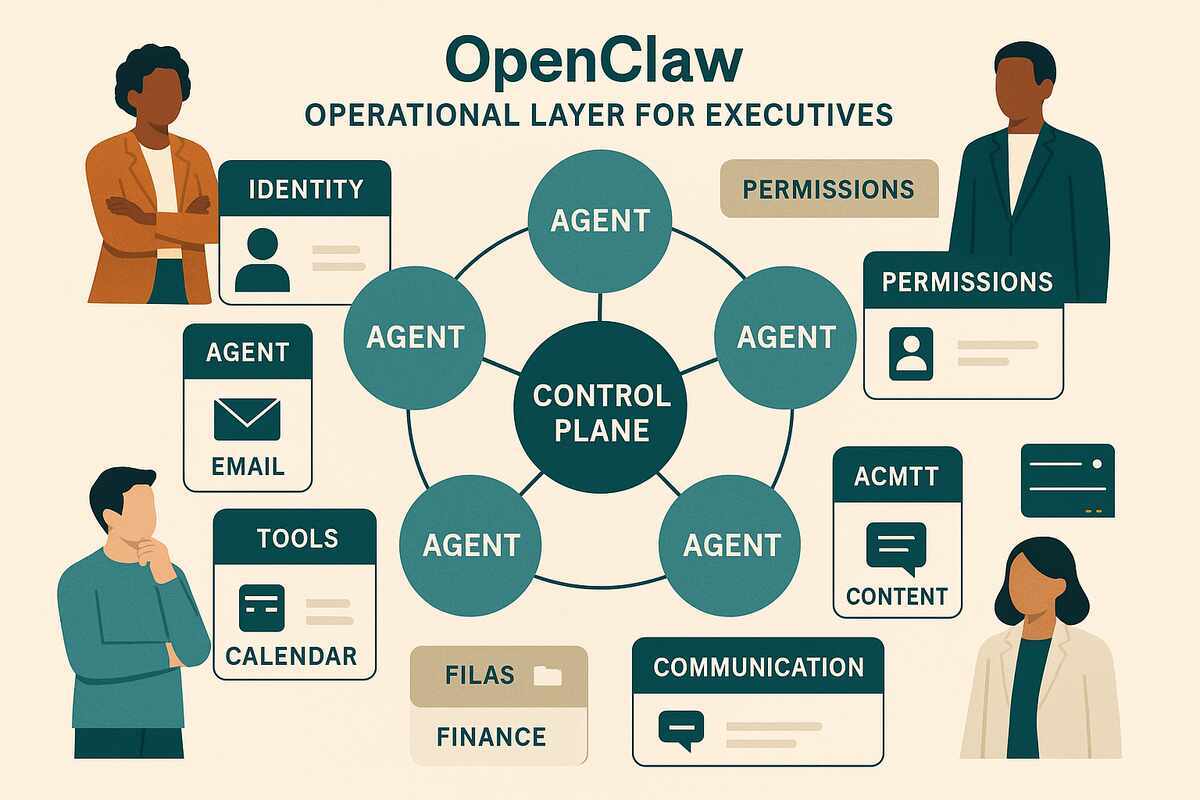
After the coding work, I deployed OpenClaw, an open-source autonomous AI agent orchestration platform, and gave it access to my email, calendar, financial accounts, and files. Not as an experiment. As part of how I actually work now.
Six specialized agents, running 24/7. Each with a defined scope, tools it can use, and guardrails for what it can't touch.
- The finance agent reads transactions and flags anomalies. It can't initiate transfers.
- The email agent triages my inbox and drafts responses. It can't send.
- The content agent manages the editorial pipeline for this publication.
Each agent has its own identity, its own rules, and its own failure mode.
The infrastructure behind this is surprisingly simple: a $25/month VPS. Not a SaaS stack. Not a managed platform. A server I control, running software that's open source, free, and until very recently known almost exclusively within the developer community.
I will write about OpenClaw in detail in a separate piece, OpenClaw: The Elephant in the Room. The short version: there's an entire operational layer missing from most conversations about agentic AI, and most executives in PE, VC, and C-suite roles have never heard of it.
Why This Wave Is Different
I've been on the leading edge of every major technology transformation for two decades. This one feels different in a specific way.
Every previous wave, Agile, Cloud, Hadoop, Machine Learning, followed a predictable pattern. Early pioneers stumbled. Tools matured. Best practices formed. Late adopters hired more people, spent more money, and caught up. The gap was real, but bridgeable.
I've led catch-up efforts. Painful and expensive. But possible.
Agentic coding and autonomous agents break that pattern.
The teams adopting these capabilities aren't just faster. They're operating in a different mode.
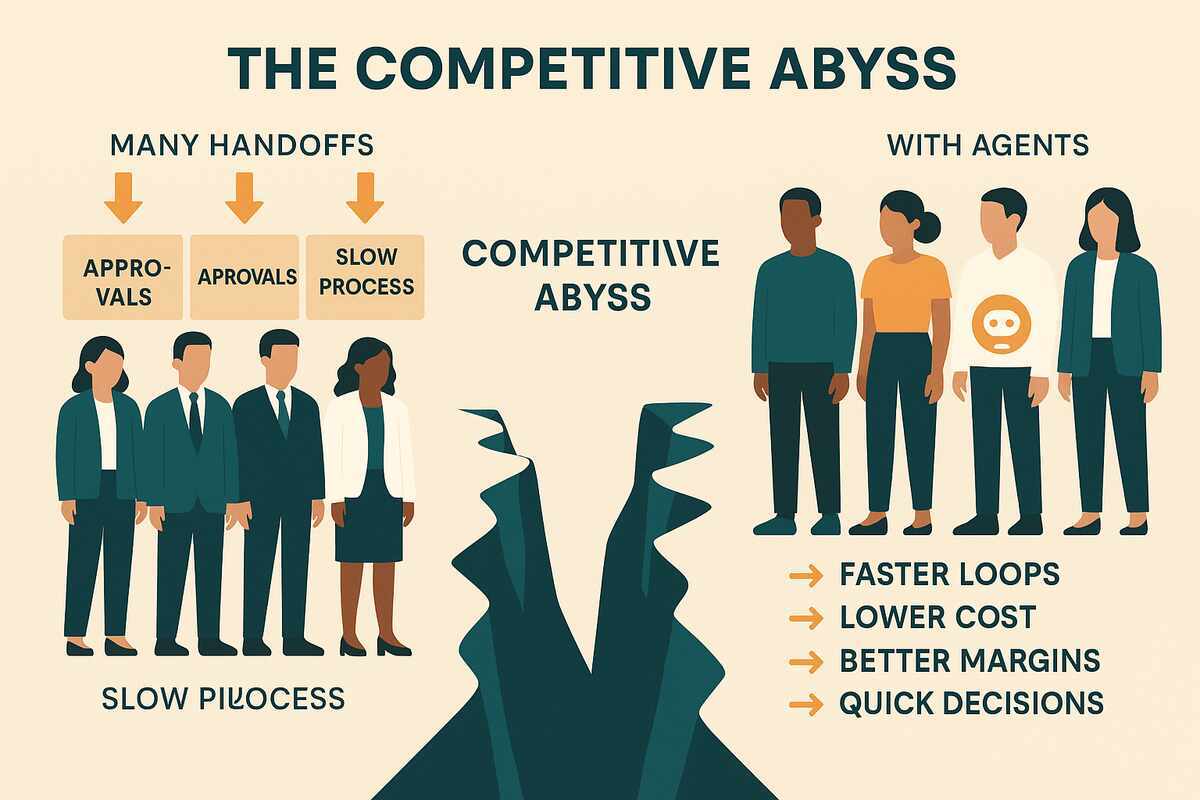
- Smaller teams shipping more
- Faster iteration producing better product-market fit
- Lower costs improving margins
- Decisions happening without coordination overhead
The old playbook assumes inefficiency can be bought away with headcount and budget. Agentic-native operations invalidate that assumption. The advantage compounds too quickly. And when that happens, catching up stops being realistic.
Central Thesis: The Competitive Abyss
This is the point where agentic coding stops being a story about productivity and becomes a story about competition.
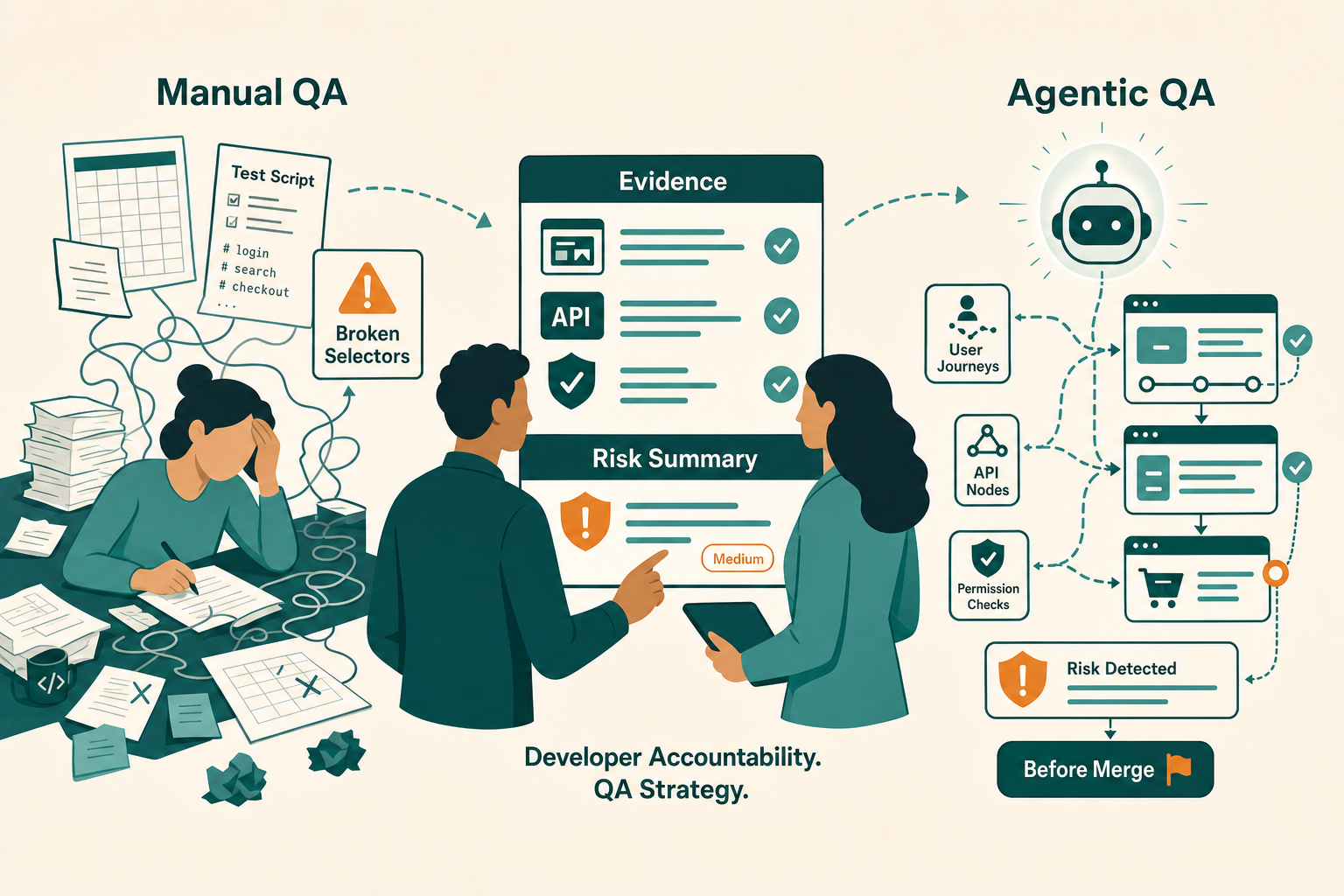
Agentic-native companies do not just work a little faster. When designed correctly, they can operate five to ten times more efficiently than traditional engineering teams. Not because the people are better. Because the system is designed differently from the start.
That efficiency compounds.
- Teams ship faster, so they learn faster
- Faster learning improves product-market fit
- Better fit drives adoption and revenue sooner
- Lower costs improve margins
- Better margins fund the next cycle of speed
- Smaller teams make decisions with less coordination overhead
This is not a lead others can close with time or budget. It is a structural advantage built into how the company operates.
That is why this is not just a gap. It is an abyss. By the time traditional organizations launch a serious catch-up effort, agentic-native competitors are already operating on a different curve.
The Organizational Antibodies Problem
The harder challenge isn't the technology. It's the organizational immune system.
Most existing processes were designed to manage risk, not enable velocity. Procurement, security reviews, and the path from experimentation to production all introduce friction. That friction was reasonable when the tools were slower. It becomes a liability when the tools aren't.
Culture adds another layer. Clear roles, handoffs, and defined ownership created stability. Agentic development pushes on all of them. That discomfort isn't a failure signal. In most cases, it's the first sign that something real is happening.
Incentives are the deepest layer. When success gets measured in team size, budget, or control, it's hard to champion systems that produce more with less. Reframing impact around outcomes, not scale, is harder than deploying the technology.
This is why most transformations stay superficial. Tools get added. Pilots get launched. The underlying assumptions don't change. The opportunity gets missed.
The Window
Somewhere between 18 and 36 months. That's my estimate for how long the window stays open.
New engineers are being trained from day one to work with agents. For them, it's not a new tool. It's the default. The most disruptive competitors are likely being born agentic-native right now, without legacy to unwind, building their teams and processes around these capabilities from the start.
Time is the factor. Not talent. Not budget. Not tools.
The Agentic-Native Company
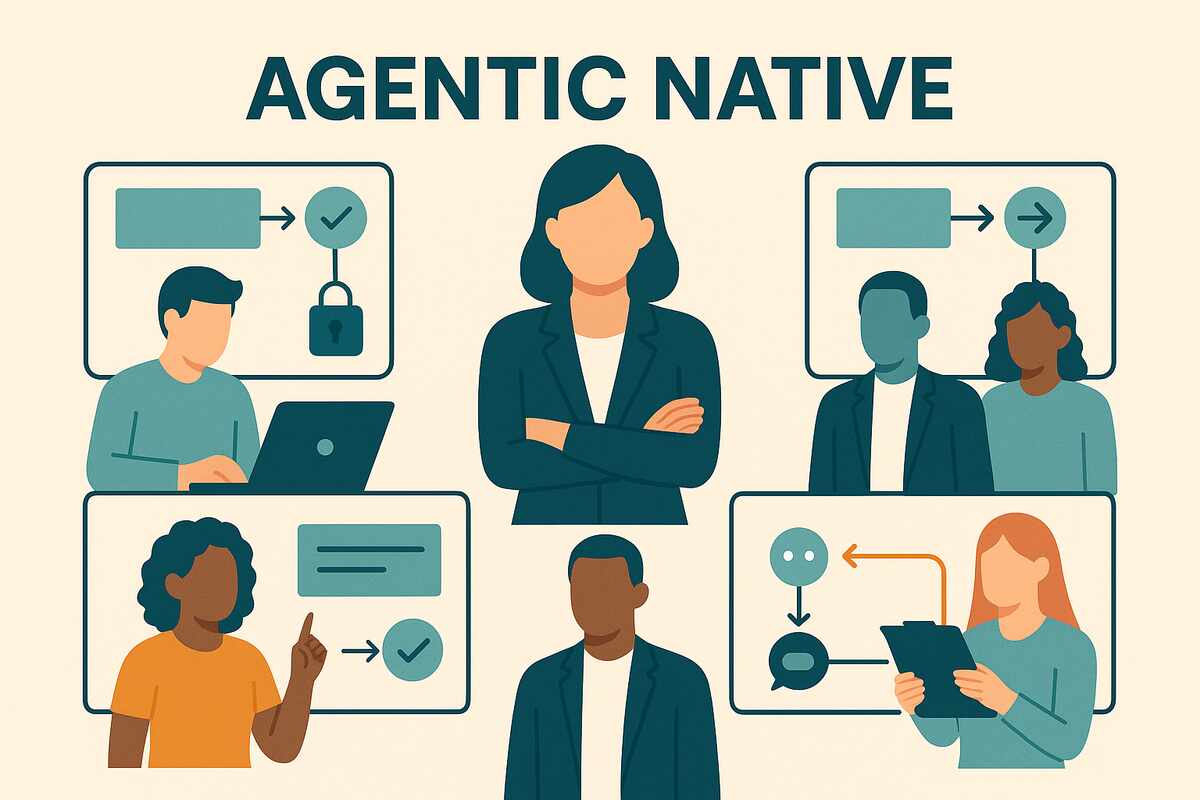
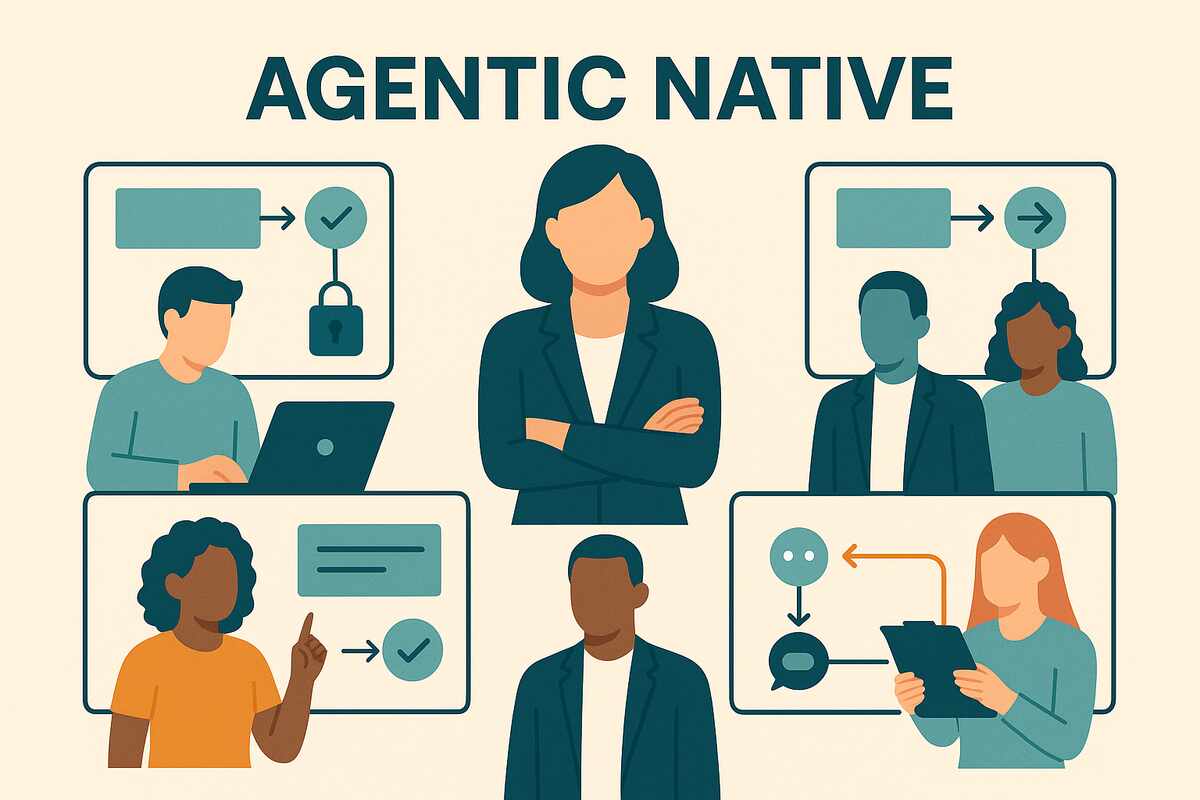
An agentic-native company is built with agents at the center, not added as helpers after the fact.
Work starts with agents executing end-to-end. People instruct, review, and direct. Configuration matters more than code. Behavior gets shaped through rules, guardrails, and feedback, not rewrites. Teams stay small and produce more because leverage is built into how the company works.
This model isn't fully solved. There are open questions, rough edges, and failure modes that still need human judgment. But for the first time, it's real enough to build around.
I've been documenting what this looks like in practice at Agentic Native: what works, what breaks, and where the failure modes are. Not theory. What actually runs in production.
The question isn't whether this changes your business. It's whether you're building for what it becomes.
So ask yourself the question straight:
Are you building an agentic-native company or waiting to be disrupted by one?